Adoption Rescue and Safety
Choosing a Shelter Dog
Visit shelters with a checklist for age, energy and history, ask about health and behaviour tests, and plan settling, training and costs at home.
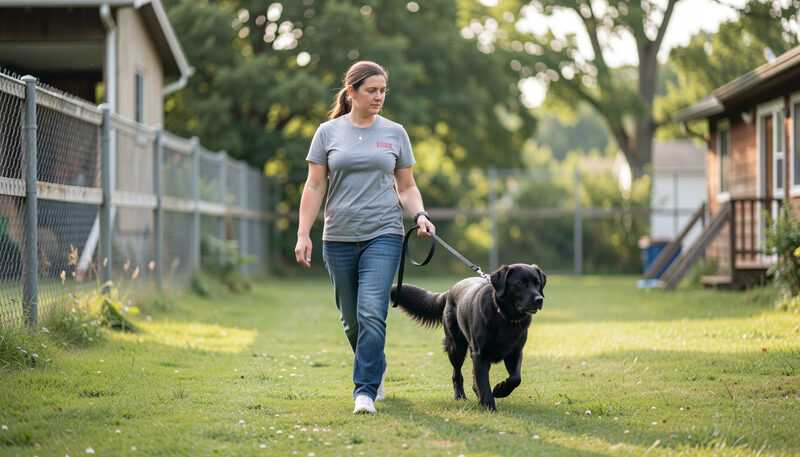
You can start your search for a companion dog at a shelter, and you can stay on that path unless it does not lead to a match. The RSPCA encourages prospective owners to adopt from the RSPCA or another reputable animal welfare, rehoming, or rescue organisation, and its pages describe what shelter care already covers, what to check in a private rehoming, and what to require from a breeder if adoption is not possible.
For a dog adopter in Australia, that order matters. You look first among animals in need of a home, you ask direct questions about health and behaviour, and you use the answers to shape feeding, exercise, and learning in the first days. The notes below follow that order and stay close to what the organisation states about its own process.
Start close to home at a care centre
You can check your local RSPCA animal care centre for dogs that are ready for adoption. The same pages also point to Adoptapet and PetRescue as places to look, which helps when your nearest centre has few dogs at the time you visit or when you want to compare across rescue groups. Keep your household limits in mind when you browse, such as rental rules, yard fencing, work hours, and who will walk and feed the dog each day, then shortlist dogs whose stated needs fit that routine.
If you want wider context on rescue pathways and safety checks before you travel, the Adoption Rescue and Safety Guide for Australian Dogs walks through the same decision in local terms. Bring identification, proof of address where required, and a written list of questions so every visit covers the same ground.
Dogs among many animals waiting for homes
The RSPCA cares for thousands of animals every year, including cats, dogs, horses, birds, rabbits, and guinea pigs, and all are in need of a good home. When choosing a dog, that context helps you see why centres ask about your time and setup rather than letting you pick on looks alone. A dog that has waited for care needs a household that can keep to a steady routine, not a quick decision at the kennel door.
What shelter care covers before you meet the dog
All animals have undergone a veterinary health assessment and a behaviour evaluation to make sure they are suitable for adoption. They have been vaccinated, wormed, microchipped, and desexed as appropriate for the species. You do not need to guess what those words mean for the dog in front of you. Ask which checks were done for that individual, what the health assessment found, and what the behaviour evaluation observed in kennels and on walks.
How do health and behaviour notes guide your choice?
Use the health and behaviour notes to match the dog to your week. If the record notes a calm walker, ask how that dog responds to traffic, other dogs, and being left for short periods. If the record notes a high-energy young dog, ask what kind of daily exercise and play that dog has received in care and what kind of handling keeps that dog settled. The point is fit, not perfection. A clear note about housetraining progress, mouthing, barking, or lead pulling tells you what to manage from day one.
What should you ask staff on visit day?
RSPCA staff can also give you advice about general care, for example, nutrition, exercise, and training. Turn that offer into direct questions for the dog you like. Ask what food the dog currently eats and how meals are spaced, how much exercise the dog currently gets without becoming restless, and what training cues or routines the dog already knows. If you live with children, other dogs, cats, or in a unit, describe that setting and ask whether that dog has shown behaviours that suit it. Write the answers down and keep them for the first days at home.
For routine questions that come up after the visit, the New Dog Owner Questions Answered for Australian Homes covers household setup in plain terms. For learning after arrival, the Puppy Training Basics From Toilet Routine to Lead Walks sets out early habits that keep training consistent across the household.
Why a private rehoming needs a home visit
If you are unable to find an animal from a reputable animal welfare, rehoming, or rescue organisation, another option is to adopt an animal that is being rehomed privately. You can learn where to look first and how the organisation ranks shelter adoption, private rehoming, and breeder purchase. Adopting directly from the previous owner gives you the opportunity to ask lots of questions and do your due diligence, for example, by visiting the place where the animal has been kept.
Use that visit to check daily life, not just the meeting room. Look at where the dog sleeps, eats, and spends the day, ask about feeding, exercise, health care, and behaviour at home and away from home, and ask why the dog is being rehomed. Ask to see vaccination, worming, microchip, and desexing records where they exist, and ask which veterinarian has seen the dog. If answers are vague or you cannot visit the home, step back and restart your search through a welfare organisation.
When adoption is not the route
If you are unable to adopt, another option is to find a responsible breeder. That sentence sets a clear sequence. You do not move to purchase because a shelter process takes time or because a puppy looks ready online. You move to a breeder only after shelter and genuine rehoming options have not produced a suitable dog, and then you apply the same care to checks, visits, and questions.
How do you read a breeder without supporting poor breeding?
To avoid the animal welfare problems associated with irresponsible breeding, the pages set minimum steps. Check that the breeder is registered by the relevant authority in your jurisdiction and meets, or goes beyond, the legal requirements such as the minimum standards. Visit the place where the animal was born to check the conditions. Insist on meeting the parents to see if the mother, and the father if possible, seem happy and healthy. Talk to the breeder about the specific requirements of the dog. Never buy blind, and do not buy a dog sight unseen.
Do your research and seek advice from people with experience and expertise in animal health and welfare, for example, a veterinarian, to understand which animal suits you, the long-term needs involved, and potential health issues. That independent advice matters because a seller has an interest in the sale while a veterinarian can speak to care load, health risks, and fit with your household.
What should the breeder ask you?
Responsible breeders will make sure you are aware of the long-term needs of the animal and will ask you lots of questions because they care about the animal going to a good home. Expect questions about your hours away from home, your plan for exercise and training, your housing and fencing, other pets, and how you will manage veterinary care across the life of the dog. Short or rushed answers from the seller, refusal to show the birthplace, or pressure to pay before you visit all point the other way. Walk away from that sale and return to welfare channels.
Plan the first days around food, exercise, and learning
Keep the first days quiet and consistent, and build them from the advice staff gave you. Feed the food the centre or previous owner used while the dog settles, keep to the same walk and rest pattern at first, and use the same cues the dog already knows so learning continues instead of restarting. Give the dog a fixed sleeping spot, water at all times, short periods of company and rest, and calm introductions to rooms, visitors, and other pets. If housetraining, lead manners, or night settling slip, return to the notes from the health assessment and behaviour evaluation and adjust the routine before you change food or equipment. Keep questions for staff or your veterinarian in one list, with dates and what you observed, then work through that list in order.
Pack the car with a lead, water, a familiar blanket where possible, and your written feeding and walking notes, then drive straight home without extra stops, and let the dog sniff the yard and the sleeping area on lead.