Breed Profiles
How to Read a Breed Profile
Learn how to read a breed sheet on size, coat, exercise and temperament, then browse Australian profiles to match a dog to home, work and family life.
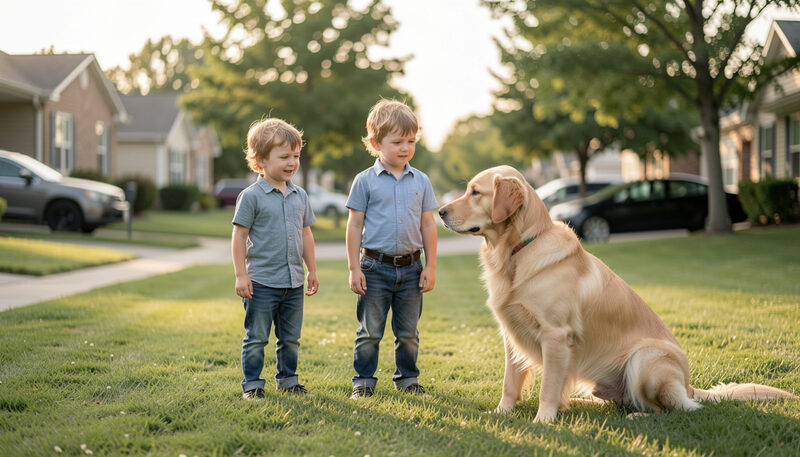
A breed profile tells you what a dog was shaped to do and how that shape shows up at home. Once you understand breeding true, breed standards and job history, you can compare profiles calmly instead of choosing by looks.
What does "breeds true" actually mean?
When a profile says a breed breeds true, it means puppies from two purebred parents of the same breed are instantly recognizable as that breed. The example often given is the Irish Setter. An Irish Setter paired with another Irish Setter will always produce dogs that you identify at once as Irish Setters, in body, coat and general character. For you, that predictability is useful. It tells you that a profile describes a pattern that repeats, not a single dog. A Kelpie pup will still vary in energy and shyness, and training will still matter, but the broad shape and drive stay readable across litters. You can use that pattern to rule profiles in or out.
Why did work come first?
People have bred dogs since prehistoric times. The earliest breeders used wolves to create domestic dogs, and from the start humans bred dogs on purpose for tasks. Hunting, guarding and herding are thought to be among the earliest jobs done by the animal now called man's best friend. For thousands of years humans selected for the physical and mental traits that suited the expected work. That is why a profile lists temperament next to body. Temperament was a working tool, not decoration. When you read a profile such as the Australian Kelpie Breed Profile for Active Homes, you can ask what job built this focus and stamina, then ask if your street, yard and hours can carry that drive.
How do old types explain new breeds?
Two ancient examples help you read modern profiles. Sleek Greyhound types were bred to chase fleet-footed prey, while huge mastiff types were used as guard dogs and warriors. Speed built one frame and nervous system, guarding built another. As humans became more settled and skilled, dogs became more specialized. Breeders shaped dogs for local needs and circumstances, so distinct breeds emerged from older family types. If a profile mentions chase, guard or herd, treat that word as a clue to exercise, reaction and space. A chase-bred dog may lock onto movement at the park. A guard-bred dog may watch the gate and bark. A herd-bred dog may circle children or bikes.
When did one family become three breeds?
The Greyhound shows how one root can split. It was the foundation type for the immense Irish Wolfhound and the dainty Italian Greyhound. All three share a distinct family resemblance, yet you would never mistake one for another. That split matters when you compare profiles that look alike in photos. Size changes daily life. Feed amounts, joint load, lead strength, car space, rent limits and the cost of flea and worm products all shift with weight and height. Two profiles from the same family can suit very different homes. Read the height, weight and movement notes as house questions, not show notes.
What is a breed standard in plain terms?
Each breed has a written document called a breed standard. It sets out the ideal physical traits, movement and temperament for that breed. One clear case is the Cocker Spaniel. The breed standard sets out the traits that make a Cocker Spaniel a Cocker Spaniel and not a Springer Spaniel. Two spaniels can look alike to a newcomer, but the standard draws the line. For you, the standard is not a test to memorize. It explains why a profile insists on a certain coat texture, ear set, tail carriage or outlook. If you like two similar breeds, compare their standards on movement and temperament first, because those lines predict how the dog walks, plays and settles in the living room.
Where does a standard come from?
The standard for each breed comes from a parent club, the national club recognized by the American Kennel Club for that breed. Once the American Kennel Club approves the text, the standard serves two roles. It acts as the breeder's blueprint and as the instrument dog show judges use to evaluate a breeder's work. That double role explains the formal tone. Breeders read it to plan matings. Judges read it to assess dogs in the ring. You can read it a third way, as an owner. Look past the ring language and pull out coat, size, energy and temperament. Then translate each point into weekly care. A dense double coat means regular brushing and seasonal shedding. A judge's phrase about gait means that dog needs room to move well.
How many breeds can you compare?
There are over 340 dog breeds known around the world, and the American Kennel Club recognizes 200 breeds. That gap is helpful to keep in mind in Australia, where you will also meet Kelpies, cattle dogs, terriers and crosses that sit outside that American list. Use the American list as a starting point, not a limit. You can open the complete list of recognized breeds and read personality, history, health, nutrition, grooming, pictures and videos in one place. Read widely at first, then narrow to three or four profiles that fit your home, work hours and local rules for leads, parks and beaches.
How to read twelve profiles without drowning
Short breed blurbs reward slow reading. Take the toy Affenpinscher, described as loyal, curious and famously amusing, an almost human toy dog that is fearless out of all proportion. Take the Afghan Hound, aloof and dignified. Take the Airedale Terrier, with size, strength and unflagging spirit. Take the Akita, a muscular double-coated dog of ancient Japanese lineage known for dignity. Each blurb pairs body with mind. Do not stop at cute or noble. Ask what loyal means on a workday, what aloof means with visitors, what unflagging spirit means after the second walk. Write the answers in plain words. If aloof means the dog will ignore strangers, can your household accept that? If dignity means reserve, do you want a clown or a calm watcher?
What do coat and job tell you about the week?
Coat and past work shape routine. The Alaskan Klee Kai is a small companion dog that is alert, energetic and curious. The Alaskan Malamute is an immensely strong heavy-duty worker of spitz-type that is affectionate. The American Bulldog is a well-balanced athletic dog with great strength and endurance. The American English Coonhound is a sleek, racy, lean but muscular hound that works from dusk to dawn hunting raccoons. The American Eskimo Dog combines striking looks with a quick and clever mind. The American Foxhound is good-natured and low-maintenance and gets on well with kids and dogs. The American Hairless Terrier from Louisiana is smart, inquisitive and playful. The American Leopard Hound is loving and noted for intelligence. Read each pair as time. Strength and endurance mean long walks and strong gear. Quick and clever mean training and puzzle time. Low maintenance still means company, toilet routine and lead manners. You can link that routine to How to Toilet Train a Puppy With a Simple Schedule and see if your week holds the work.
Which Australian questions change the reading?
A profile written in the United States does not determine your council rules, rental terms or summer heat. Read with local filters. Can the dog rest cool in February? Can it stay calm in a small yard? Can it walk past off-lead dogs and bikes? How does it handle alone hours? What happens during magpie season or snake season? Shelter staff often know how a type behaves in a suburban home, so pair profile reading with a shelter visit and read Choosing a Shelter Dog and What to Ask Before Adopting before you decide. Note that the pages do not list Australian law or fees, then bring those questions to the council, landlord or vet clinic.
The American Kennel Club publishes a complete list of recognized dog breeds with personality, history, health, nutrition, grooming, pictures, videos and the breed standard for each breed. The breed pages explain early jobs such as hunting, guarding and herding and how parent clubs write the standard used by breeders and judges. You can open the list, pick three profiles that fit your week, and carry their job, coat and temperament notes to your next shelter or breeder visit.
Breed Profiles
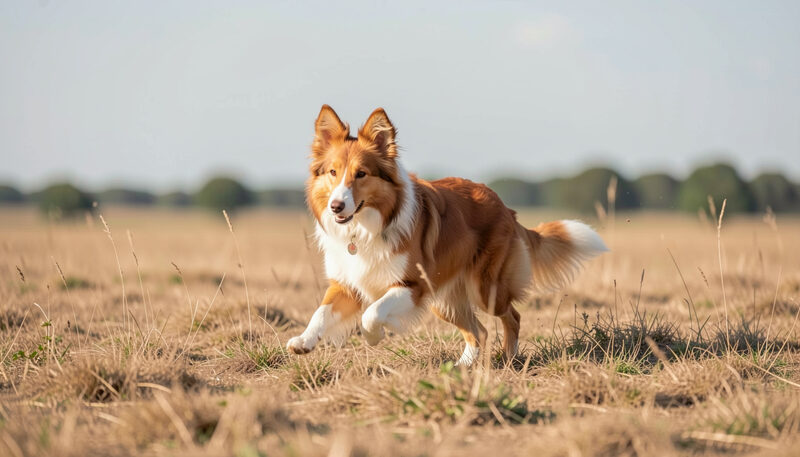
Australian Kelpie
Meet the Australian kelpie, a smart herding worker that needs daily runs, jobs and calm training, plus tips on coat, health signs and home routines.
A working dog first, a pet second: what that means at home.
Breed Profiles
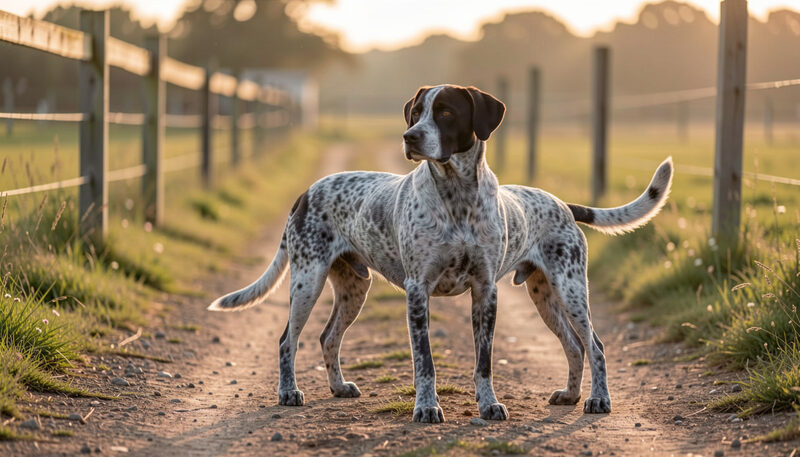
Australian Cattle Dog
Meet the Australian cattle dog, a loyal heeler with strong herding instincts, and learn about exercise, training, social life and common health signals.
Heel, hold and hard work, bred into a compact frame.
Breed Profiles
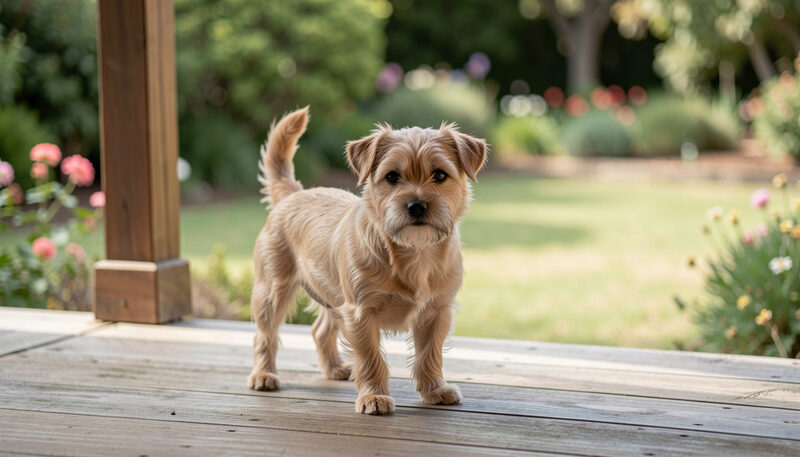
Australian Terrier
Meet the Australian terrier, a small sturdy companion with a big voice, and learn about grooming, exercise, training and living in rentals or farms.
Small dog, long history, vermin-dog courage.