Adoption Rescue and Safety
Snakebite Risk for Dogs
Spot snake season risks on tracks and farms, learn signs of bite and shock in dogs, and act fast with restraint, pressure and urgent vet help on walks.
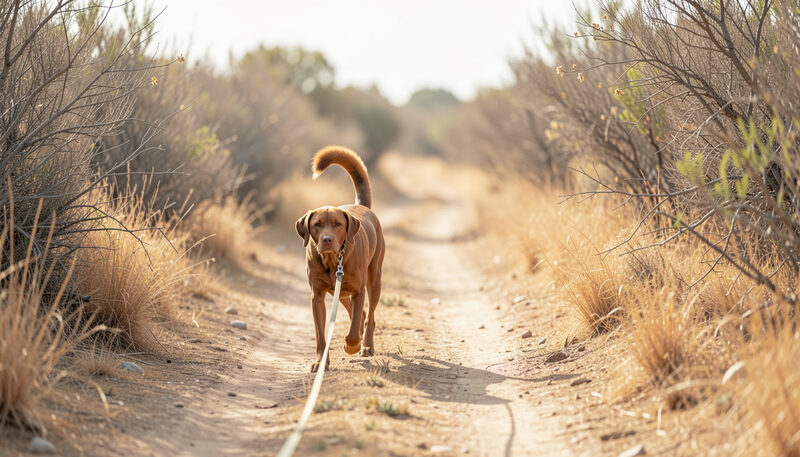
You walk the same track each morning with a dog at heel, and in warm months a snake can be part of that walk. If a bite happens, the answer is direct. Treat every bite as potentially life-threatening, call triple zero (000) for an ambulance, and go to hospital.
Why snake season changes a dog walk
Australian conditions bring dogs and snakes into the same spaces, along creek paths, in long grass, around rock edges and near the beach scrub. A dog moves first, nose down, and you may not see what it has found until it jumps back or yelps. Your job in that moment is to keep both of you away from the animal and to keep the bitten person still and calm. Do not try to catch or kill the snake. The healthdirect page notes that many Australian snakes are protected species, and chasing one adds risk without helping treatment.
Where contact is most likely
You can lower risk by knowing where snakes live and what to do if you see one. Snakes use cover and warmth, so thick grass, fallen timber, sheets of iron, wood piles and the edges of water invite caution. On shared paths, keep your dog on a short lead and on the track, and teach a steady recall and stop so you can turn away early. The guide to Everyday Dog Life With Beaches Day Care and Grooming describes how beach, day care and grooming fit into a week, and the same routine thinking helps here. Plan where the dog walks, where it sniffs, and where you pause.
Which snakes the national guidance names
Australia is home to 20 of the 25 most venomous snakes in the world. Venom is a type of poison that gets into the blood through a bite or sting. Not every snake carries venom, but snakes can be hard to identify, so every snake bite is treated as a medical emergency, including bites from sea snakes. Some Australian snakes with venom that can kill a person are black snakes, brown snakes, death adders, rough-scaled snakes, many sea snakes, taipans and tiger snakes. About one in three hospital visits for snake bites in Australia is from brown snake bites, and each year between one and four people die from snake bites.
What does a bite look like at first?
A bite mark on the skin may appear as clear puncture wounds or as faint scratches that are almost invisible. Look for swelling, bruising or bleeding from the bite area. Severe pain around the bite can also occur, and it might take time to develop, so a small mark with little pain at first still needs hospital care. Snakes make venom in their salivary glands, and the venom is forced out under pressure through two fangs in the upper jaw. That venom is a mixture of many poisons meant to stun, numb or kill animals, which explains the range of effects reported in people.
How can you tell venom is spreading?
Symptoms can depend on the type of snake involved. Once venom starts to spread in the body, other signs may appear, such as breathing difficulties, irregular heartbeat, nausea, vomiting or abdominal pain. Headache, confusion or dizziness, blurry vision, and muscle weakness or paralysis, meaning an inability to move, are also listed as signs of a venomous bite. The first aid guide for people explains these signs in a clear order, from the local bite changes to wider body effects, and it offers a Symptom Checker to help decide whether medical help is needed.
What about a severe allergic reaction?
Rarely, a person has a severe allergic reaction to a snake bite. That reaction is called anaphylaxis. Signs can include difficult or noisy breathing, a swollen tongue, swelling or tightness in the throat, wheeze or persistent cough, difficulty talking or a hoarse voice, dizziness or collapse, and paleness and floppiness in young children. If you or someone near you shows those signs, call triple zero (000) and ask for an ambulance. If you have access to an adrenaline autoinjector, use it, and continue to follow the steps of an ASCIA allergy action plan if one is available.
What should you do right away?
Keep calm and follow a clear sequence. Get the person away from the snake, call triple zero (000) and ask for an ambulance, and if triple zero does not work on a mobile phone, try calling 112. Keep the bitten person still and help them stay calm, then apply a pressure bandage as described in the pressure bandage first aid steps and stay with the person until the ambulance arrives. Start cardiopulmonary resuscitation if the person is unresponsive or not breathing normally. Keep the dog controlled and away from the snake while you wait, so no second bite follows the first.
Why should every bite see a doctor?
Snake bites should always be examined by a doctor, even if the person seems well. At hospital, a doctor will ask whether the snake was seen and what it looked like, examine the person and the bite area, and organise blood tests to see whether the bite came from a venomous snake. The doctor will decide whether antivenom is needed to stop the venom from working. Do not wait at home to see whether pain builds, and do not drive yourself if you feel dizzy, sick, short of breath, confused or weak. Call for help and stay still.
How can you lower the chance of a bite with a dog?
Walk in daylight where you can see the ground, keep to cleared paths, and keep the dog out of dense cover and rock piles. A strong lead habit matters more than speed, especially with young dogs that rush ahead. Short sessions on stop, stay and recall, practised often, make it easier to hold the dog and step back when something moves in the grass. The notes in Puppy Training Basics From Toilet Routine to Lead Walks set out that kind of routine work from toilet schedule to lead control. Carry a phone, carry a broad bandage, and tell someone your route on remote tracks.
Where to check first aid before you walk
The healthdirect page is titled Snake bites: first aid, treatment and symptoms. It describes a snake bite as a medical emergency, explains what to do when bitten, and sets out symptoms and first aid care. Save triple zero (000) and 112 in your phone, pack a pressure bandage with the lead and water, and practise keeping your dog still beside you before your next bushwalk.