Breed Profiles
Australian Cattle Dog
Meet the Australian cattle dog, a loyal heeler with strong herding instincts, and learn about exercise, training, social life and common health signals.
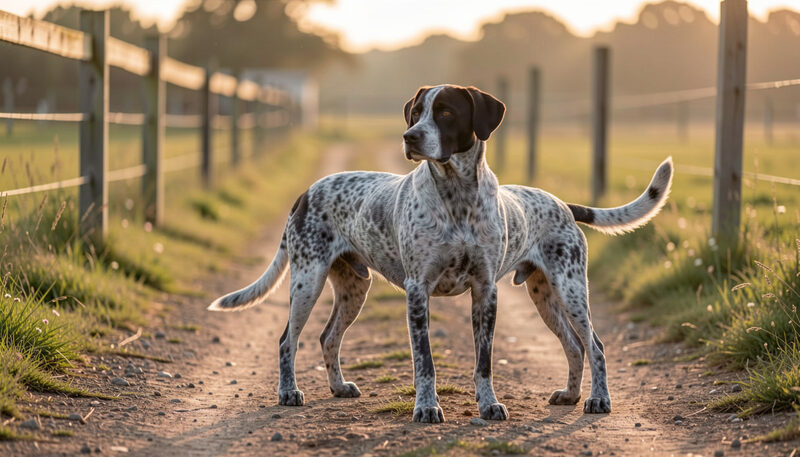
You want to know if a heeler fits an active home and what daily life with one asks from you. The short answer from the numbers is that this is a medium-sized dog with a long lifespan and a mid-table popularity rank, so you plan for size, time and training before you plan for looks.
The Verandah Post looks at breed sheets the same way each time. You read height, weight, life expectancy and rank first, then you use the personality, history, grooming and standard notes on the breed page to ask sharper questions about your own week. That method keeps you from guessing about temperament or work needs.
What does 52 of 210 tell you?
Rank 52 of 210 places the Australian Cattle Dog in the upper middle of the popularity list on the AKC breed page. You can read that as familiar but not overly common, which helps when you look for puppy basics, training classes and rescue contacts without assuming that every trainer near you knows the breed well. Use the rank as context only. It says nothing about whether the dog suits your hours, your yard or your experience, and you still need to work through size and lifespan before you decide.
Can your rooms handle this frame?
The AKC page lists height at 18 to 20 inches for males and 17 to 19 inches for females, with weight at 35 to 50 pounds. Picture that frame in your hallway, in your car and at your front gate. You walk the fence line, you check door widths and you think about lifting a 35-to-50-pound dog into a car after a muddy walk. The page also groups related reading under personality, history, grooming, pictures, videos and the AKC breed standard, so you can compare the listed size with what you see in photos and footage rather than judging from one image alone. For help reading size against daily care, see Breed Profiles and How to Read a Dog Breed Sheet.
What does 12 to 16 years ask from you?
Life expectancy of 12 to 16 years means you plan for a dog through rental moves, job changes, school years and holidays. You map who walks in the morning when work runs late, who covers vet visits and who pays for food and care across that span. A longer lifespan also means training habits have time to set, for better or worse, so early routine matters. Write the years on paper and test them against your housing and travel plans for the next decade rather than against this season alone.
Is a heeler the right breed for you?
The description on the AKC breed page frames the central question as whether the Australian Cattle Dog is the right breed for you. Keep that question in front of you while you read. You list your free hours on weekdays and weekends, the people and animals in the home and the time you can give to lead walks, play, rest and calm indoor time. You then check each section of the breed page against that list. If a section raises a doubt, you note it and keep reading instead of deciding on a first impression.
How do you judge temperament from a breed page?
Temperament notes need careful reading because one word can hide many habits. The AKC page points you to personality notes and the breed standard, and the most useful move is to read those lines slowly and look up any term you do not know before you picture life at home. Detailed profiles are listed on the Australian Cattle Dog breed information page alongside pictures and videos that show posture and movement. Watch how the dog stands, moves and rests in those images, then ask what kind of day would let that body and mind settle in your place.
What do history and the standard add?
History and the breed standard explain what the written ideal looks like and how the type was described over time. You read for shape, coat and proportion rather than stories, and you note which traits the standard treats as central. The AKC page view provided here does not publish the Group label in readable form. Stay with what the page does show, which is height, weight, life expectancy, rank and the set of sections on personality, history, grooming, pictures, videos and the standard, and use those points to shape questions for a club or a shelter.
How do you use the grooming section before you commit?
Grooming notes tell you what coat care to expect and what tools and time to allow each week. You read how often the coat is addressed, what a normal session covers and what signs mean you should seek hands-on help. If you share a home with someone who reacts to loose hair, you factor cleaning time into the choice. For a plain view of what an appointment covers across coats, see What a Dog Grooming Appointment Includes Across Coats.
What can pictures and videos show that words miss?
Pictures and videos let you check size against familiar objects like doors, car boots and people. You look at feet, legs and back on the move, coat length in daylight and how the dog carries its head at rest. Still images help with proportion, while short clips help with pace and energy across a few minutes. Use them to test your space again. If the dog in the footage looks cramped in a small laundry or restless on a short lead loop, you adjust your plan before you meet any dog in person.
Where does training fit in an active week?
Training for an active home starts with a simple daily loop you can repeat. You set fixed times for toilet, feeding, rest, play and short training sessions, and you keep cues short and consistent across every person in the house. Lead manners, recall practice in safe areas and calm settling indoors form the base, and you build duration step by step. For a clear starting set, see Puppy Training Basics From Toilet Routine to Lead Walks. If you use shared off-lead areas, read how to judge play and space in advance.
How do you test your week before you decide?
Take one normal week and log your hours, your travel and your sleep. Add a morning walk, an evening session and weekly coat care to that log, plus time for shopping, cleaning and training notes. Ask who covers each slot when you are sick or away, and what backup you have for holidays. Then reread the AKC height, weight, life expectancy and rank figures against that filled calendar. Measure your gate, your car boot and your crate space, call two local services for availability and cost, and bring your week log with you when you speak to a breeder or rescue contact.